

Accounts Payable for Ecommerce: Challenges, Best Practices, and Automation Strategies

Last updated on August 24th, 2026

Multi-channel online retail ecosystems require real-time synchronization between digital storefront sales, inventory restocking cycles, and merchant settlement disbursements. Enterprise leaders managing expanding commerce networks face immense transactional complexity as they balance high-volume supplier bills against daily marketplace fee payouts. Implementing targeted accounts payable outsourcing for ecommerce industry environments enables finance teams to protect unit margins and stabilize working capital across global fulfillment channels.
According to operational performance research published by Ardent Partners, organizations relying on non-automated processing workflows spend an average of 17.4 days to process a single invoice, with unautomated administrative costs climbing above $12 per document. Online retailers resolve these working capital delays by modernizing financial workflows to automatically process thousands of inventory and logistics invoices each week.

vservesolution
Why Ecommerce Businesses Face Unique AP Challenges
Managing disbursements for digital commerce differs fundamentally from standard B2B wholesale accounting due to high transaction frequency and fragmented payment channels. Finance leaders must reconcile continuous inventory receipts against varying marketplace remittance structures while maintaining tight controls over cash disbursements.
Delegating complex reconciliation workloads through accounts payable outsourcing for ecommerce industry frameworks helps merchants eliminate back-office drag and maintain visibility across multi-node supply chains. Standardizing invoice controls ensures online brands prevent revenue leakage caused by unverified supplier fees or incorrect shipping surcharges.
High transaction volumes
Digital storefronts process thousands of micro-transactions alongside continuous stock replenishment orders from domestic and international suppliers. Processing this massive volume manually creates administrative backlogs that disrupt cash flow management and delay month-end financial reporting.
Marketplace settlement reconciliation
Selling across platforms like Amazon, Walmart, and Shopify requires clearing complex netting statements where sales revenues are constantly offset against merchant fees. Finance teams must separate third-party commission deductions from actual inventory invoices to maintain true general ledger accuracy.
Multiple suppliers and vendors
Scaling multi-channel retail relies on an expansive network of raw material suppliers, contract manufacturers, freight forwarders, and last-mile delivery partners. Coordinating payment terms across dozens of distinct vendor agreements requires structured oversight to maximize early settlement discounts.
Returns and refunds
High consumer return rates require continuous adjustments to landed cost records, vendor credit memos, and inventory restocking ledgers. Accounting teams must verify that returned goods are properly credited by suppliers before settling outstanding procurement balances.
Chargebacks and fee adjustments
Unannounced carrier adjustment fees, storage surcharges, and customer credit card chargebacks create constant ledger variances. Systematically tracking and disputing invalid vendor debit adjustments prevents gradual margin erosion across high-volume sales channels.
Seasonal demand fluctuations
Q4 holiday spikes and flash promotional campaigns create extreme surges in inventory procurement and warehouse logistics billing. Flexible operational infrastructure ensures payment queues continue moving smoothly without requiring temporary back-office hiring cycles.
Improve sourcing efficiency and reduce procurement costs with expert retail procurement services.
The Ecommerce Accounts Payable Process Explained
A streamlined commerce payment workflow converts complex digital invoices into validated ledger records through sequential audit checkpoints. Standardizing these financial steps stabilizes cash flow projections and strengthens control mechanisms across distributed retail networks.
Invoice receipt
Digital invoice intake aggregates electronic documents from supplier portals, automated email parser engines, and electronic data interchange feeds. Centralizing incoming digital paperwork creates immediate visibility for open liabilities across all business entities.
Data extraction
Intelligent document engines parse invoice headers, line-item details, shipping surcharges, and tax figures directly into standardized accounting structures. Programmatic data extraction removes manual keying errors and accelerates document turnaround velocity across accounting teams.
Purchase order matching
Systemic verification algorithms match invoice line items against original purchase orders and warehouse receiving receipts automatically. Validating quantities and unit pricing through automated three-way matching protects operating cash from unapproved supplier price increases.
Approval workflows
Transactions exceeding pre-set tolerance bands automatically navigate custom approval paths based on spending authority matrices. Digital routing triggers notify department heads instantly, preventing processing stalls during high-volume promotional periods.
Payment processing
Scheduled disbursements execute across electronic funds transfer networks, international wires, or commercial virtual card systems according to cash targets. Executing payments programmatically ensures merchants capitalize on early-payment vendor rebates while maintaining working capital reserves.
Reconciliation
Settled payment feeds sync directly back to core accounting platforms to clear open liabilities and update bank reconciliation ledgers. Daily ledger updates give treasury managers accurate visibility into cash balances and upcoming capital requirements.
Reporting and auditing
Comprehensive digital logs capture every invoice modification, approval timestamp, and payment confirmation for continuous governance reviews. Centralizing audit trails simplifies regulatory tax reporting and speeds up annual external audit cycles.
Common Accounts Payable Challenges in Ecommerce
Unintegrated financial workflows in digital retail lead to administrative bottlenecks, delayed supplier payments, and compromised margin visibility. Modern finance organizations mitigate these operational risks by establishing automated payment controls and standardizing invoice matching rules.
- Duplicate Payments: Processing invoices across multiple digital channels often causes accidental double payments for single inventory shipments.
- Late Payments: Stalled approval hierarchies lead to missed payment windows, incurring vendor late penalties and risking stock allocation holds.
- Fraud Risks: High transaction volumes make it difficult to detect illegitimate vendor profiles, manipulated bank details, or duplicate billing schemes manually.
- Manual Data Entry: Keying invoice line items into accounting systems by hand consumes valuable labor hours and introduces costly input errors.
- Missing Invoices: Decentralized billing channels allow vendor invoices to get lost in inbox clutter, creating unexpected month-end liability spikes.
- Supplier Disputes: Unresolved discrepancies regarding damaged goods, partial shipments, or unexpected freight fees strain critical vendor relationships.
- Limited Cash Flow Visibility: Unconsolidated invoice data obscures short-term financial obligations, making accurate cash forecasting and liquidity management difficult.
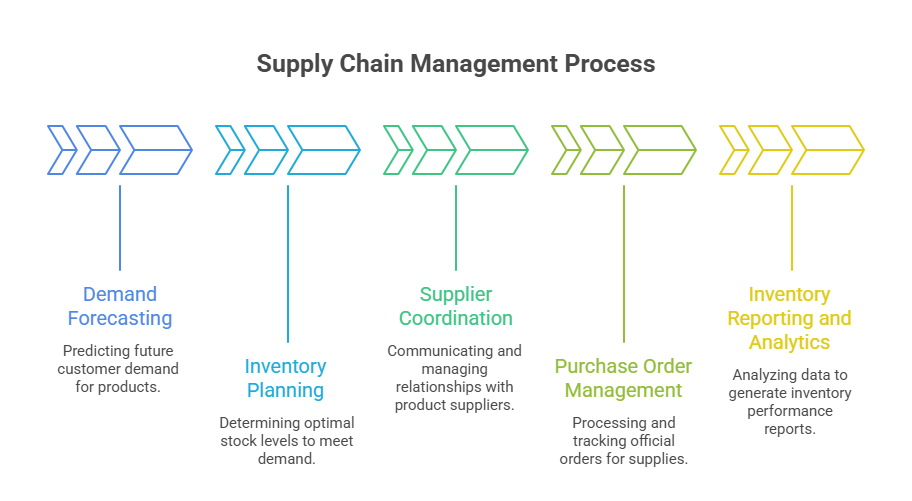
How Automation Improves Ecommerce Accounts Payable
Deploying specialized financial workflows also benefits recurring subscription models that utilize accounts payable automation for SaaS companies to manage cloud infrastructure expenses. Furthermore, enterprise groups that leverage outsourced accounts payable services for ecommerce establish clear operational controls across complex international supply chains. These integrated tools help cross-functional finance teams protect unit margins while maintaining strict compliance standards across digital operations.
Advanced optical character recognition parses complex multi-page invoices, adjusting dynamically to varying vendor document layouts. Automated capture engines extract line-item costs, currency codes, and tax breakdowns with precision, reducing manual intervention.
Artificial intelligence
Machine learning models analyze transactional patterns to identify pricing anomalies, duplicate invoice attempts, and suspicious vendor modifications. Continuous pattern analysis protects corporate treasury assets before payment execution occurs.
Automated approvals
Context-aware approval logic routes flagged invoices to authorized cost-center managers based on order value, product category, or department. Automated escalation rules prevent approval delays, ensuring vendors are paid according to contractual payment terms.
Exception management
Discrepancies in line-item pricing or warehouse receiving counts get isolated into specialized digital queues for rapid dispute resolution. Assigning exception tickets directly to purchasing specialists speeds up vendor clarification cycles.
Real-time reporting
Centralized analytics dashboards consolidate open payables, vendor performance metrics, and discount realization metrics into unified executive views. Real-time visibility empowers finance leaders to optimize capital allocation and negotiate better supplier payment terms.
Conclusion
Scaling a multi-channel online retail business requires robust financial operations capable of handling extreme transaction volumes with speed and precision. Implementing accounts payable outsourcing for ecommerce industry solutions equips finance leaders with the automation and control needed to protect product margins.
Eliminating data entry errors, accelerated approval velocity, and automated three-way matching ensure merchants maintain healthy supplier relationships and clear cash visibility. Enterprise decision-makers who modernize their payables workflows build a flexible financial foundation that supports rapid commercial expansion.
Frequently Asked Questions
How does accounts payable outsourcing work for ecommerce businesses?
Outsourcing transfers invoice capture, three-way matching, exception routing, and payment preparation to a dedicated financial service partner. This model reduces operating expenses, accelerates processing velocity, and ensures full control over corporate disbursements.
Can automated AP systems reconcile marketplace fees?
Yes, modern financial automation tools parse complex settlement files from platforms like Amazon and Walmart automatically. The software separates merchant commission fees, storage charges, and advertising expenses from actual product sales revenue.
How does automation help prevent duplicate payments in multi-channel retail?
Automated platforms index incoming invoices using unique vendor identifiers, invoice numbers, dollar amounts, and PO references. The system flags identical submissions across different ingestion channels immediately, preventing double payment execution.
Is AP automation relevant for recurring digital business models?
Yes, leveraging accounts payable for SaaS companies helps digital platforms automate software license renewals, server hosting bills, and contractor payouts while maintaining strict budget controls.