
Supply Chain Outsourcing Providers in 2026: Comparison, Use Cases, and How to Choose the Right Partner

Last updated on June 22nd, 2026

Global supply chains have become increasingly complex. Businesses must manage procurement, supplier relationships, inventory planning, logistics coordination, customer fulfillment, and performance reporting while maintaining efficiency and profitability.
As a result, many organizations are partnering with supply chain outsourcing providers to improve operational performance and reduce costs. According to the Economic Development Collaborative (EDC), outsourcing can help businesses improve efficiency, gain access to specialized expertise, and focus resources on core operations.
Today, businesses are no longer outsourcing only individual tasks. Many are relying on end-to-end supply chain outsourcing services that support procurement, supplier management, inventory operations, logistics coordination, and back-office functions.

This guide compares leading providers, explains how to evaluate them, and helps businesses determine which outsourcing model best fits their needs.
Table of Contents
Why Businesses Are Turning to Supply Chain Outsourcing
Comparison of Leading Supply Chain Outsourcing Providers
How to Choose the Right Supply Chain Outsourcing Partner
Real-World Example: How Cisco Used Outsourcing to Scale Supply Chain Operations
Best-Fit Provider Recommendations by Business Type
Why Businesses Are Turning to Supply Chain Outsourcing
The demand for supply chain outsourcing providers continues to grow because organizations face increasing pressure to reduce costs while improving service levels.
Modern supply chain outsourcing services help companies:
- Reduce operational expenses
- Improve supply chain visibility
- Access specialized expertise
- Scale operations faster
- Improve procurement efficiency
- Enhance supplier management
- Increase reporting accuracy
For many organizations, working with experienced supply chain BPO companies provides capabilities that would be expensive and time-consuming to build internally.
Comparison of Leading Supply Chain Outsourcing Providers
One of the biggest weaknesses in competing articles is the lack of meaningful comparison. The table below helps businesses evaluate options based on actual operational needs.
| Provider | Core Services | Industries Served | Geographic Coverage | Key Strengths | Ideal Business Size | Best Use Case |
| Vserve Solution | Procurement support, supplier management, data processing, back-office operations | eCommerce, retail, manufacturing | Global | Flexible outsourcing models, eCommerce expertise | SMB to Mid-Market | Procurement and supplier support |
| Accenture | End-to-end supply chain transformation | Multiple industries | Global | Enterprise consulting and technology integration | Enterprise | Large-scale transformation |
| Genpact | Procurement and supply chain operations | Manufacturing, healthcare, retail | Global | Process optimization | Mid-Market to Enterprise | Procurement outsourcing |
| Wipro | Supply chain management and analytics | Technology, manufacturing | Global | Digital transformation capabilities | Enterprise | Technology-driven operations |
| Infosys BPM | Procurement and operational support | Retail, manufacturing, logistics | Global | Automation and process efficiency | Mid-Market to Enterprise | Supply chain optimization |
When evaluating supply chain BPO vendors, businesses should look beyond company size and focus on service alignment with operational goals.
How to Choose the Right Supply Chain Outsourcing Partner
Selecting the right supply chain outsourcing partner involves more than simply comparing pricing models or shortlisting well-known providers. It requires a careful evaluation of capabilities, industry alignment, technology strength, and long-term scalability. A well-chosen partner should not only support current operational needs but also adapt as the business grows and supply chain complexity increases.
Industry Expertise
Choose providers with proven experience in your specific industry, as supply chain requirements can vary significantly across sectors. For example, eCommerce operations demand fast-moving inventory coordination and marketplace integration, while manufacturing procurement requires strict quality control and production alignment. Healthcare supply chains, on the other hand, often prioritize compliance, traceability, and regulatory accuracy.
Service Coverage
The most effective supply chain outsourcing services offer end-to-end support that matches both current needs and future expansion plans. This may include procurement support, supplier management, inventory coordination, logistics assistance, data management, and reporting services. A broader service scope reduces the need to engage multiple vendors and helps ensure smoother process integration.
Scalability
As businesses grow, supply chain operations naturally become more complex and demand higher processing capacity. Strong supply chain BPO companies are able to scale resources, systems, and support structures without disrupting existing workflows. This flexibility is essential for handling seasonal demand spikes, geographic expansion, or product portfolio growth.
Technology Capabilities
Technology plays a critical role in modern supply chain outsourcing, enabling efficiency and transparency across all operations. Key capabilities should include supplier visibility tools, performance tracking dashboards, procurement reporting systems, workflow automation, and seamless data integration with existing platforms. Strong digital infrastructure ensures better accuracy and faster decision-making.
Reporting and Visibility
Businesses need access to real-time insights into supplier performance, procurement activity, and key operational KPIs. Without clear reporting structures, it becomes difficult to identify inefficiencies or track progress against strategic goals. High-quality providers offer transparent dashboards and customizable reporting formats to support better decision-making.
Geographic Delivery Model
Organizations that work with global suppliers benefit from providers with multi-region delivery capabilities. This ensures consistent service quality across different time zones, regulatory environments, and market conditions. A geographically distributed model also improves responsiveness and risk management.
Operational Flexibility
Beyond cost considerations, the ability to adapt processes, staffing levels, and reporting structures is often the most valuable factor in selecting a partner. Flexible providers can adjust quickly to changing business requirements, new product lines, or evolving supply chain strategies. This adaptability helps ensure long-term operational stability and resilience.
Partner with a top supply chain BPO company tailored for SMBs to manage procurement and back-office operations.
Real-World Example
Cisco is widely recognized for operating one of the most outsourced supply chains in the technology sector.
According to Cisco’s corporate supply chain report, the company collaborates extensively with external manufacturing, logistics, and supply chain partners to support global operations and improve responsiveness across markets.
Cisco’s approach demonstrates how organizations can use outsourcing relationships to:
- Scale operations globally
- Improve supply chain visibility
- Increase operational flexibility
- Manage supplier networks efficiently
- Focus internal teams on innovation and strategy
This example highlights why many organizations invest in specialized supply chain outsourcing services rather than building all capabilities in-house.
Best-Fit Provider Recommendations by Business Type
Choosing the right service provider for supply chain and procurement support depends heavily on an organization’s size, operational complexity, and strategic goals. Different providers specialize in different aspects of supply chain management, ranging from end-to-end transformation to focused operational support. Matching business needs with the right expertise ensures better efficiency, scalability, and long-term value.
Best for Enterprise Supply Chain Operations
Accenture is often a strong fit for large enterprises that require end-to-end transformation across procurement, logistics, planning, and digital systems. Their services typically focus on integrating advanced technologies with operational redesign to support global-scale supply chain modernization. This makes them suitable for organizations undergoing complex transformation initiatives across multiple regions and business units.
Best for Procurement Support
Vserve Solution is particularly suited for organizations seeking focused procurement support, supplier management assistance, and operational outsourcing services. Their offerings are often centered on improving efficiency in day-to-day procurement tasks and strengthening vendor coordination. This allows internal teams to focus more on strategic decision-making rather than routine operational work.
Best for Ecommerce Operations
Businesses with large product catalogs, high order volumes, and marketplace-driven operations benefit most from providers that combine supply chain capabilities with ecommerce expertise. These providers help streamline inventory coordination, supplier integration, and fulfillment processes across multiple sales channels. This results in improved order accuracy, faster delivery times, and better scalability during peak demand periods.
Best for Process Optimization
Genpact frequently supports organizations aiming to streamline procurement and operational workflows through standardization and analytics. Their approach often focuses on process redesign, automation, and performance measurement to eliminate inefficiencies. This makes them a strong choice for businesses looking to improve consistency and reduce operational costs across procurement functions.
Common Risks and Mistakes to Avoid
While supply chain outsourcing providers can deliver significant efficiency gains and operational improvements, organizations often encounter avoidable pitfalls that reduce the effectiveness of these partnerships. These risks usually stem from poor planning, unclear expectations, or underestimating the complexity of integration. Understanding these common mistakes helps businesses build stronger, more reliable outsourcing relationships.
- Choosing Based Only on Price
Selecting the lowest-cost provider can be risky if it comes at the expense of expertise, scalability, or advanced technology capabilities. A low price may also indicate limited support or weaker service quality, which can impact long-term performance. - Unclear Performance Metrics
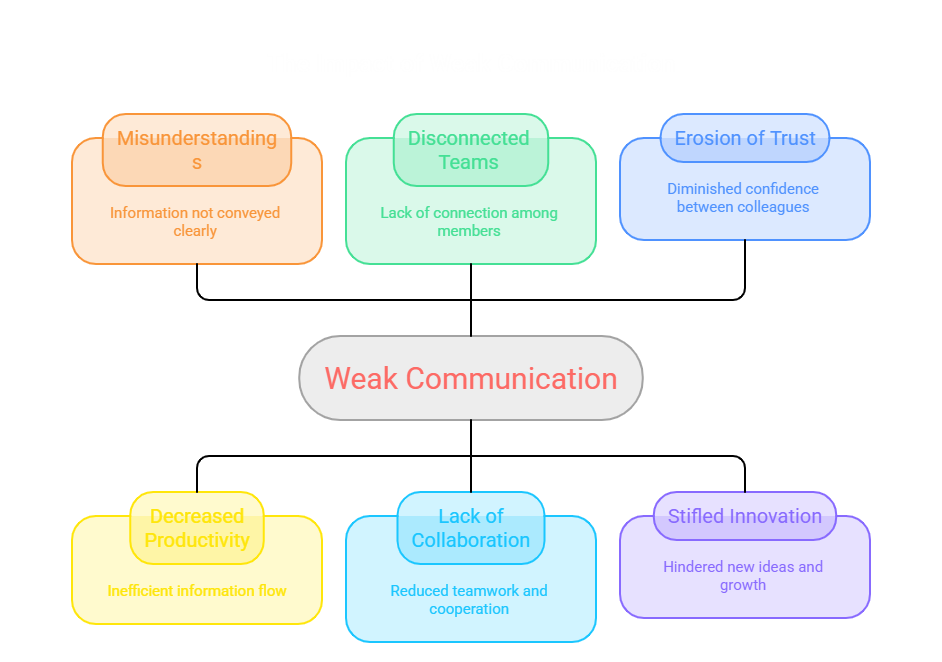
It is essential to define clear KPIs before engaging any provider. These should measure service quality, response times, procurement efficiency, and reporting accuracy to ensure accountability and consistent performance tracking. - Weak Communication Processes
Without strong governance structures, communication gaps can lead to misunderstandings, delays, and operational inefficiencies. Regular reporting cycles and clear escalation paths help maintain alignment between all stakeholders. - Limited Technology Integration
Disconnected systems between internal platforms and outsourcing providers can reduce visibility and create reporting challenges. Proper integration ensures seamless data flow, better analytics, and more informed decision-making. - Poor Transition Planning
A successful outsourcing setup requires a structured onboarding process that includes detailed documentation, stakeholder alignment, and performance monitoring. Without proper transition planning, organizations may experience disruption during early implementation stages.
Many supply chain BPO vendors can help mitigate these risks when expectations, responsibilities, and performance standards are clearly defined from the outset.
Conclusion
As supply chains become more complex, businesses increasingly rely on supply chain outsourcing providers to improve efficiency, visibility, and scalability.
By evaluating provider expertise, service coverage, technology capabilities, scalability, and reporting transparency, businesses can identify the right partner among today’s leading supply chain BPO companies and vendors.
The most successful outsourcing relationships are built on strategic alignment, measurable performance, and continuous operational improvement.
Frequently Asked Questions
1. How long does it take to implement supply chain outsourcing?
Implementation timelines vary based on complexity. Smaller engagements may take several weeks, while enterprise-level outsourcing initiatives often require several months for process mapping, integration, training, and performance stabilization.
2. What KPIs should be tracked after outsourcing supply chain operations?
Organizations commonly track procurement cycle time, supplier performance, inventory accuracy, service-level compliance, operational costs, reporting accuracy, and customer fulfillment performance to measure outsourcing effectiveness.
3. Can outsourcing improve supplier relationship management?
Yes. Outsourcing providers often introduce structured supplier management processes, standardized reporting, and performance monitoring systems that improve communication, accountability, and supplier collaboration across procurement operations.
4. Is supply chain outsourcing suitable for rapidly growing businesses?
Growing businesses often benefit significantly from outsourcing, which allows them to scale operational support without making large investments in internal infrastructure, staffing, technology platforms, and specialized supply chain expertise.